
Are you still using manual customer service? 10 minutes zero cost to build the ai customer service, let the enterprise efficiency increase by 300%
When the consultation pop-up window lights up at 2 am, is your customer service team still on duty? When the double eleven orders come in like a tidal wave, the length of time customers wait for a reply is accumulating. In this cruel business world, a 30-second wait is enough to make 60% of customers turn away. The 2024 Consumer Behavior Report reveals an even harsher truth: 78% of users will abandon a payment due to unintelligent online customer service.
This is not alarmist talk, but a customer service revolution in the making.
In a head live base in Hangzhou, the midnight fitting room live broadcast continues. Behind the tens of thousands of inquiries pouring in front of the screen, there are 26 AI customer service in the precise docking – they can recognize the "this skirt shows no crotch" vague description, can handle 60 kinds of dialect questioning, more able to remember the customer’s birthday gift needs of the message 3 months ago.
Behind this scenario are three major breakthroughs in underlying technology:
.
.
Data from an intelligent customer service provider in Shanghai shows that the timeframe for resolving customer complaints for enterprises that have adopted the AI system has been shortened by 75%, and the cost of manpower has dropped by 68%. In a bank credit card center, AI customer service daily average processing 450,000 conversations, processing efficiency is 320 times more efficient than manual.
second, zero-code era of business code: 10 minutes to build intelligent customer service
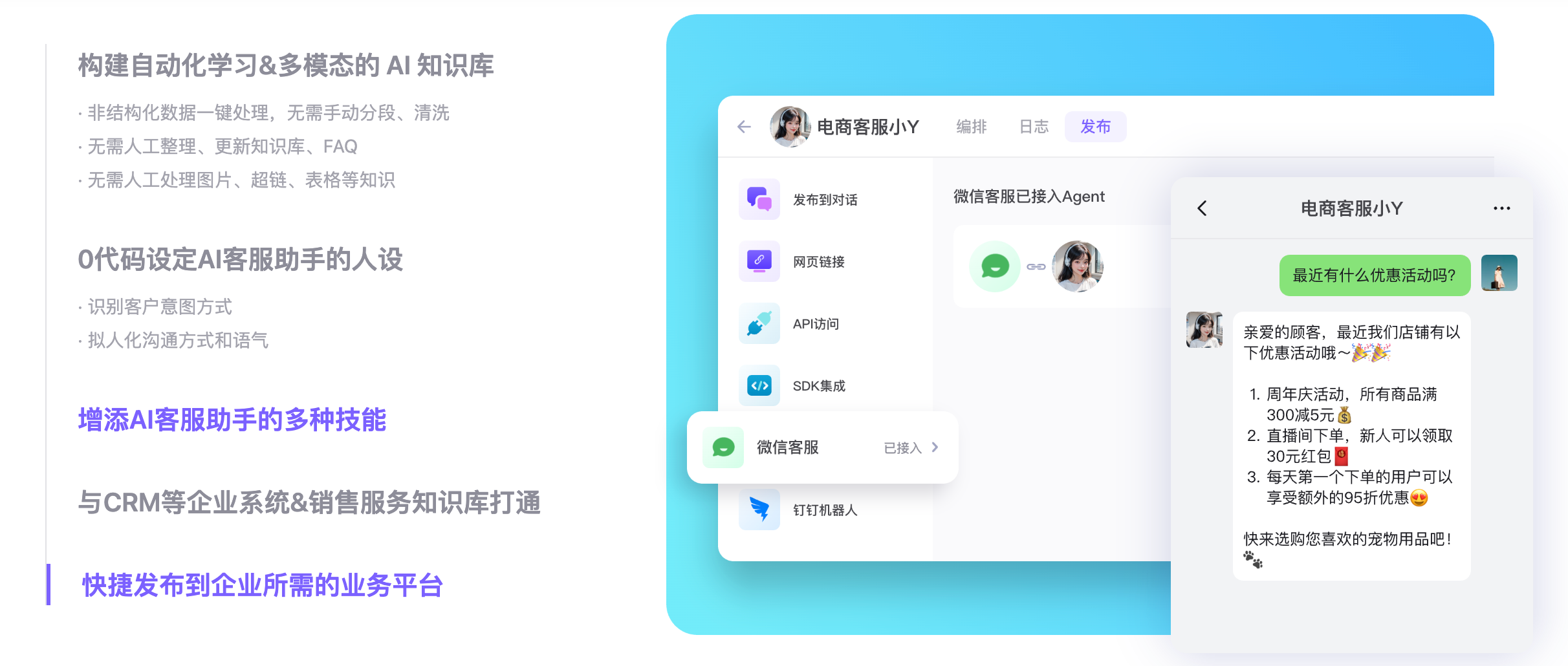
A cross-border e-commerce startup team in Shenzhen has a textbook operation: the intelligent customer service robot created on the AliCloud Hundred Refinement platform took only 7 minutes and 36 seconds to go live from registration. The robot can synchronize 8,000 product documents in the knowledge base, maintain a response speed of 0.8 seconds, and support real-time conversion of 16 languages.
Four-step build rule validation:
.
.
The practice of a smart hardware brand in Guangdong is even more amazing: when the new product pre-sale kicked off over the weekend, AI customer service handled 123,000 inquiries in 2 hours, and the conversion rate was 22% higher than that of the manual period. The 436 in-depth consultation needs automatically labeled by the system were followed up accurately by manual labor the next day, and the turnover rate was as high as 91%.
three, intelligent customer service evolution of the three realms
In the AI lab in Zhongguancun, Beijing, engineers have witnessed three leaps in customer service systems:
- Version 1.0: mechanical Q&A that can only handle 30% of standard questions
- Version 2.0: Introduced industry knowledge graph, resolution rate exceeded 85%
- Version 3.0: with the ability of emotional empathy, customer satisfaction reached 96%
This evolution is especially prominent in the medical field. The AI triage system deployed by an Internet hospital can accurately deduce 17 possible conditions from "I have had a stomachache for three days"’s self-description, and link to the electronic medical record to give examination recommendations. After the system went live, the misdiagnosis rate dropped by 41%, and waiting time was shortened by 58%.
four, people and AI’s new collaboration paradigm
When the customer service director of a financial institution in Shanghai anxiously asked: "Will AI replace my team? ", the answer was surprising: after the on-line intelligent system, the manual customer service team instead expanded from 120 to 200 people, but the work content shifted to VIP customer maintenance, repurchase strategy planning and other high-value areas.
.

This is the new workplace law:
- Basic counseling is taken over by AI, increasing processing efficiency by 80%
- Artificial transformation of emotional experts, focusing on processing 5% of complex claims
- The system automatically records user profiles, providing data support for customer tiered operations
This is further evidenced by the case of a Nanjing-based educational institution, where the AI system processed 92% of routine inquiries and then screened out 8% of high-intent parents for in-depth follow up by gold-medal course consultants, resulting in a renewal rate soaring to 3.2 times the industry average.
When night falls again, those who stick to their workstations are no longer tired customer service agents, but evolving digital service stewards. They work tirelessly to learn product manuals, analyze user profiles, and optimize conversation strategies. In this era where customer patience is calculated in milliseconds, what enterprises are competing for is no longer the scale of manpower, but the speed of intelligent response. As the CTO of an Internet giant said: "In the next three years, enterprises that won’t use AI to have a conversation will eventually be conversed with. "
This generation of workers in the workplace destiny: either harness AI intelligent customer service, or be eliminated
.
Late at night at two o’clock, the background of an e-commerce platform suddenly flooded with 30,000 consultation requests. Just when the supervisor on duty is ready to call the whole staff back to work, the real-time data on the system monitoring screen shows that: all the consultations have been completed within 45 seconds of intelligent triage, 83% of the problems are solved instantly by the AI customer service, and the remaining complex problems have been accurately assigned to the corresponding expert’s work order system. This scene is being synchronized in 32 industries in China, including finance, healthcare and retail.I. Customer service ecology reconstructed by algorithm
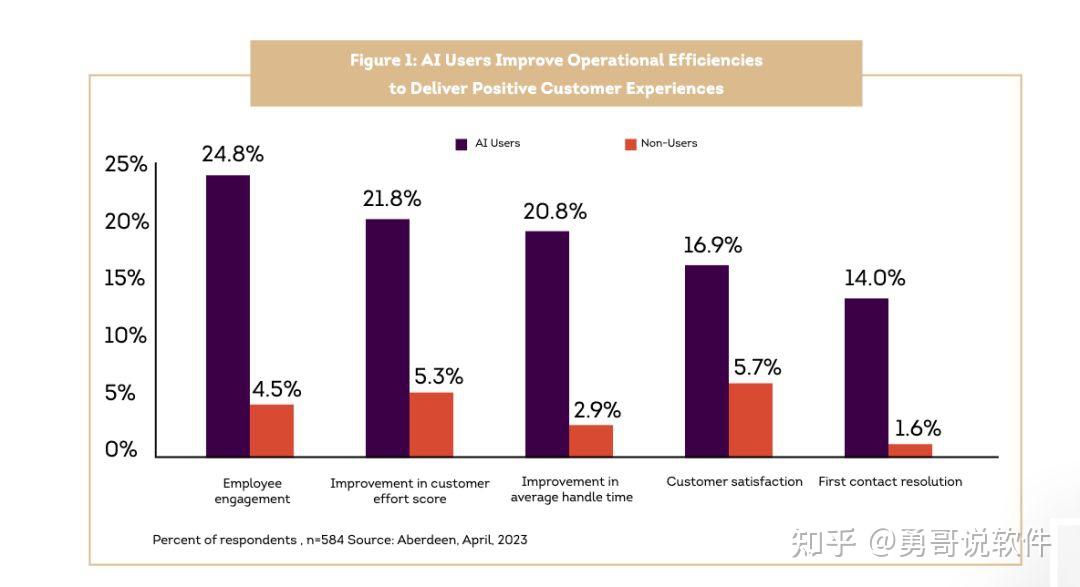
The “2024 China Intelligent Customer Service Development White Paper” reveals a shocking fact: enterprises accessing intelligent customer service systems have seen average customer service costs drop by 62% and customer satisfaction rise by 38%. In a head insurance enterprise, AI customer service handled 5.6 million inquiries in the first month of onboarding, which is equivalent to the workload of 300 manual customer service for a year.
1. Never-tiring 7×24 service provider
When manual customer service needs coffee to renew its life, AI customer service is handling 2,000 session windows at the same time. It can consult a million volume knowledge base entries in a minute to give the most accurate answer. A bank customer was surprised to find that a 3 a.m. query about loan interest rates was met with an accurate answer that incorporated the latest policy changes.
2. Heart-reading Deep Interaction
In the medical and healthcare field, AI customer service with emotion recognition capability can automatically trigger the emergency triage mechanism from the patient’s description of "Panic & Chest Stress". The AI triage system of a tertiary hospital has been online for six months, the misdiagnosis rate has dropped by 27%, and the emergency response time has been shortened to 90 seconds.
II, the winners and losers of enterprise digital transformation
A listed e-commerce company’s CTO revealed: "Last year’s double 11, our AI customer service resisted the impact of 14 million consultations in a single day, which is a miracle that can never be realized by the manual team. "This technological mutation is rewriting the rules of business:
1. Quantum leap in customer service
- Intelligent prediction: Predicting the need for counseling through the user’s browsing trajectory, and proactively popping up the service window Scenario penetration: cross-platform integration of WeChat, APP, official website and other multi-channel service records Decision Enabling: Automatically generate customer profiling reports to guide the direction of product optimization
.
2. The Reconstruction Equation for Enterprise Operations
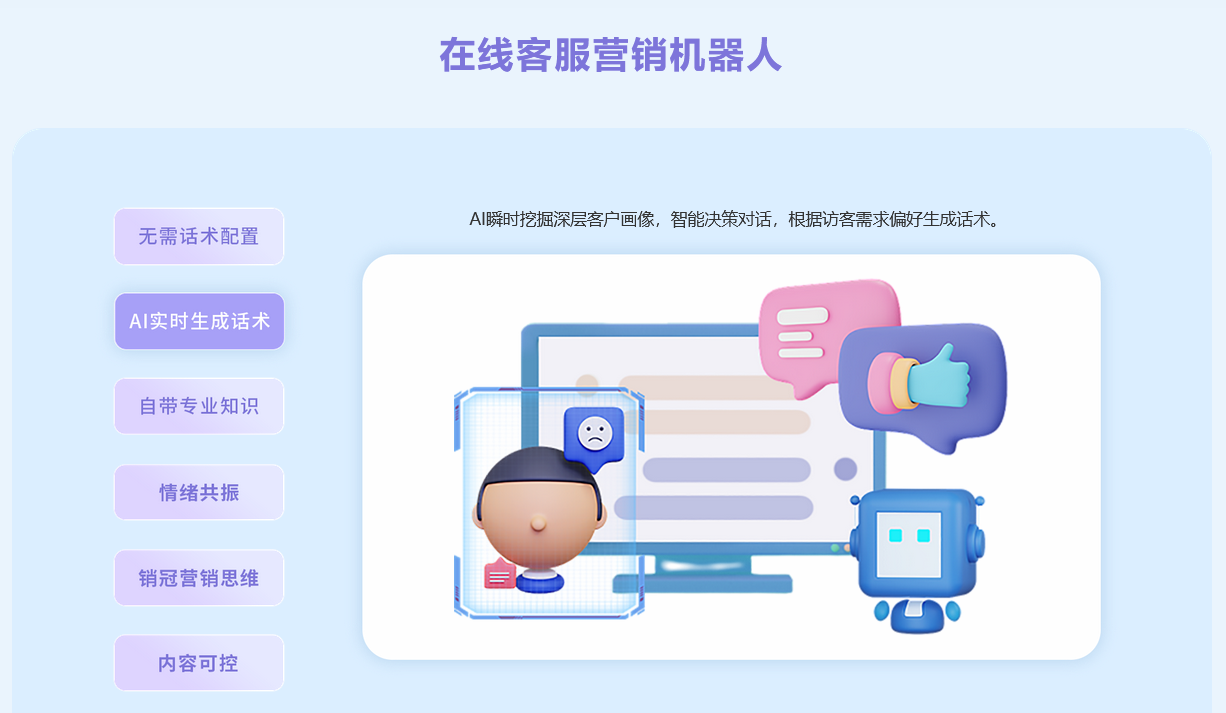
After the introduction of intelligent customer service by a clothing brand, the conversion rate of customer inquiries soared from 19% to 43%. The secret lies in the fact that AI, through semantic analysis, accurately recognizes users’ unspoken "thin" "breathable" and other real needs, and automatically recommends the optimal combination of goods. III, zero-code era of the law of survival
Shockingly, building an intelligent customer service system no longer requires a large technical team:
1. Ali Cloud Program: 10-minute on-line black technology
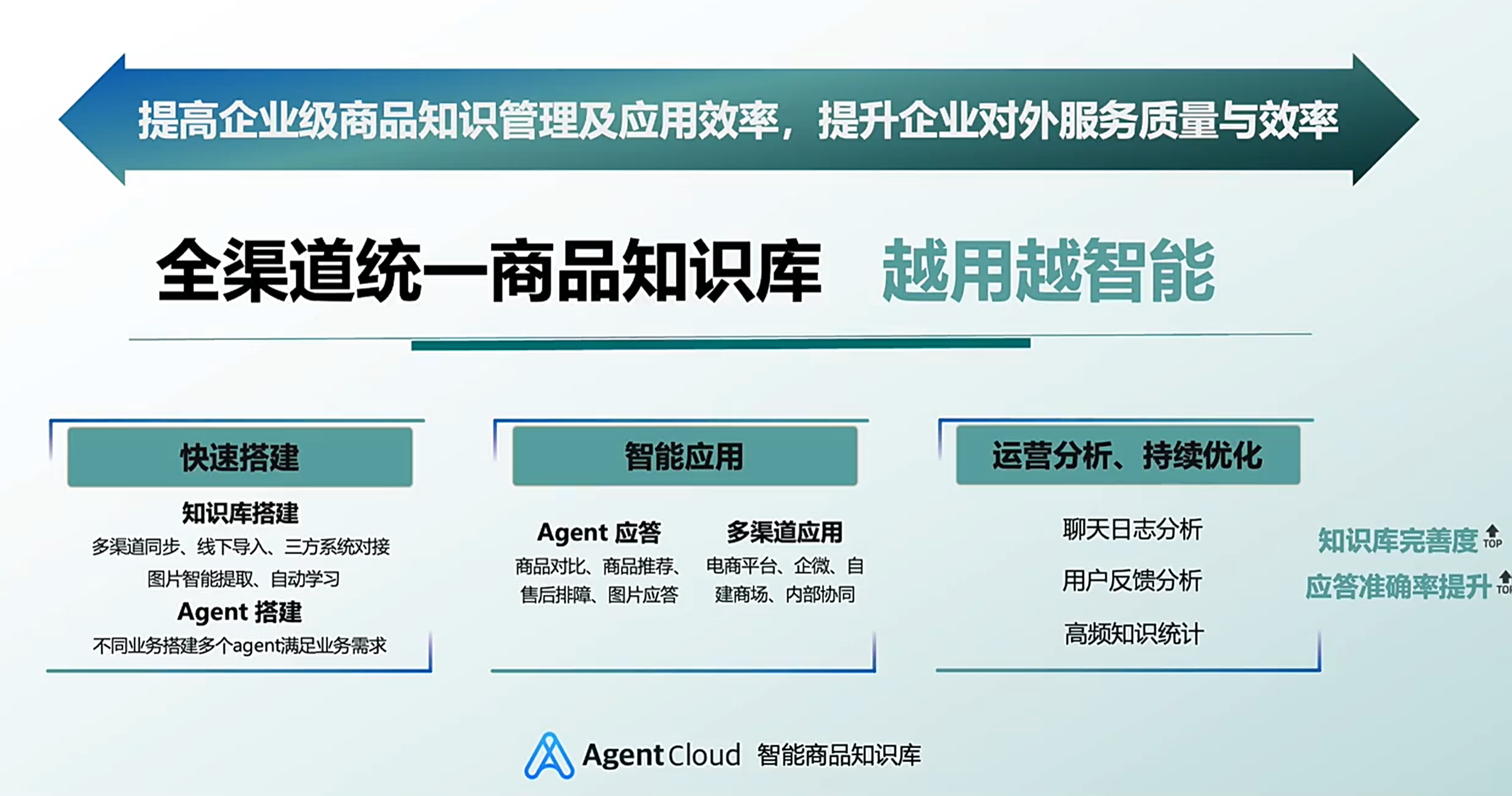
- Drag and drop modules to complete the construction of the knowledge base in the Hundred Refinement platform
- Automatically generate API interface for function calculation Support private deployment to protect data security
- Flying Book Forms into Intelligent Knowledge Hubs in Seconds
- Coze platform to visually configure conversation flow
- Intelligent work orders automatically flow to the responsible person
A restaurant chain brand has compressed franchisee consultation response time from 48 hours to 15 minutes with the help of this program.
four, the workplace people’s road to progress a business consulting organization’s research shows: master AI tools customer service personnel, salary increase is 2.3 times that of ordinary employees. They are evolving into "digital service architects":
- Proficient in Knowledge Graph Design
- Specializes in Prompt Engineering Leads the transformation of service process automation
A cross-border e-commerce business used this solution to complete the construction of a global customer service system covering 6 languages in 3 days.
2. The Flybook+Button Collaboration Revolution
The project team leader of a telecom operator confessed: "The most sought-after thing now is not the operator, but the trainer who can give AI customer service'lessons'. "
While we are still debating whether AI will replace humans, smart workplace people are already learning how to give robots as "mentors". This is perhaps the most brutal law of survival in the digital age: it is never the AI that eliminates you, but the peers who will use it. Those white-collar workers who are debugging the knowledge base late at night, those product managers who are studying user conversation data, they are using code and algorithms to write a new generation of workplace evolution.