
Intelligent customer service revolution: zero code to build your ai employees
When the first ray of sunshine in the morning into the office building, a technology company’s official website quietly appeared an AI customer service named Bob. Faced with the user’s complex questions about product architecture, Bob gave a professional answer within 0.3 seconds, and at the end of the dialog also did not forget to attach a ☀️ emoticon. This is not a scene from a science fiction movie, but a picture of digital transformation that really happens every day on the Dify.AI platform.

The traditional customer service system is undergoing a silent revolution. Intelligent customer service systems that used to require dozens of technical teams and millions of dollars of investment can now be deployed through an open source platform before the coffee cools. The core driver of this change is the wave of "AI democratization" brought about by the LLMOps platform Dify.
I. Deconstructing the new paradigm of intelligent customer service
Before the breakthrough in large-scale language modeling technology, intelligent customer service is more like a carefully choreographed "script actor". The rules engine-based dialog system must be pre-set with all possible question paths, and when it encounters "superlative" questions, it is stuck in a dead loop. Now, the Dify platform through GPT-3.5, Claude and other models of natural understanding capabilities, so that AI customer service really has a human-like context perception.
More critical is the intelligent fusion technology of the knowledge base. Enterprises only need to upload product manuals and FAQ documents in bulk, and Dify’s intelligent segmentation system will act like an experienced librarian, automatically building multi-dimensional indexes. When a user asks "How to solve equipment reporting error E102", the AI not only pinpoints the fault description, but also correlates the chapter location of the related maintenance video.
Two or three steps to build an exclusive digital workforce
In the practice of a cross-border e-commerce company in Shenzhen, technical director Wang Ming completed the deployment of AI customer service with only a lunch break:
-
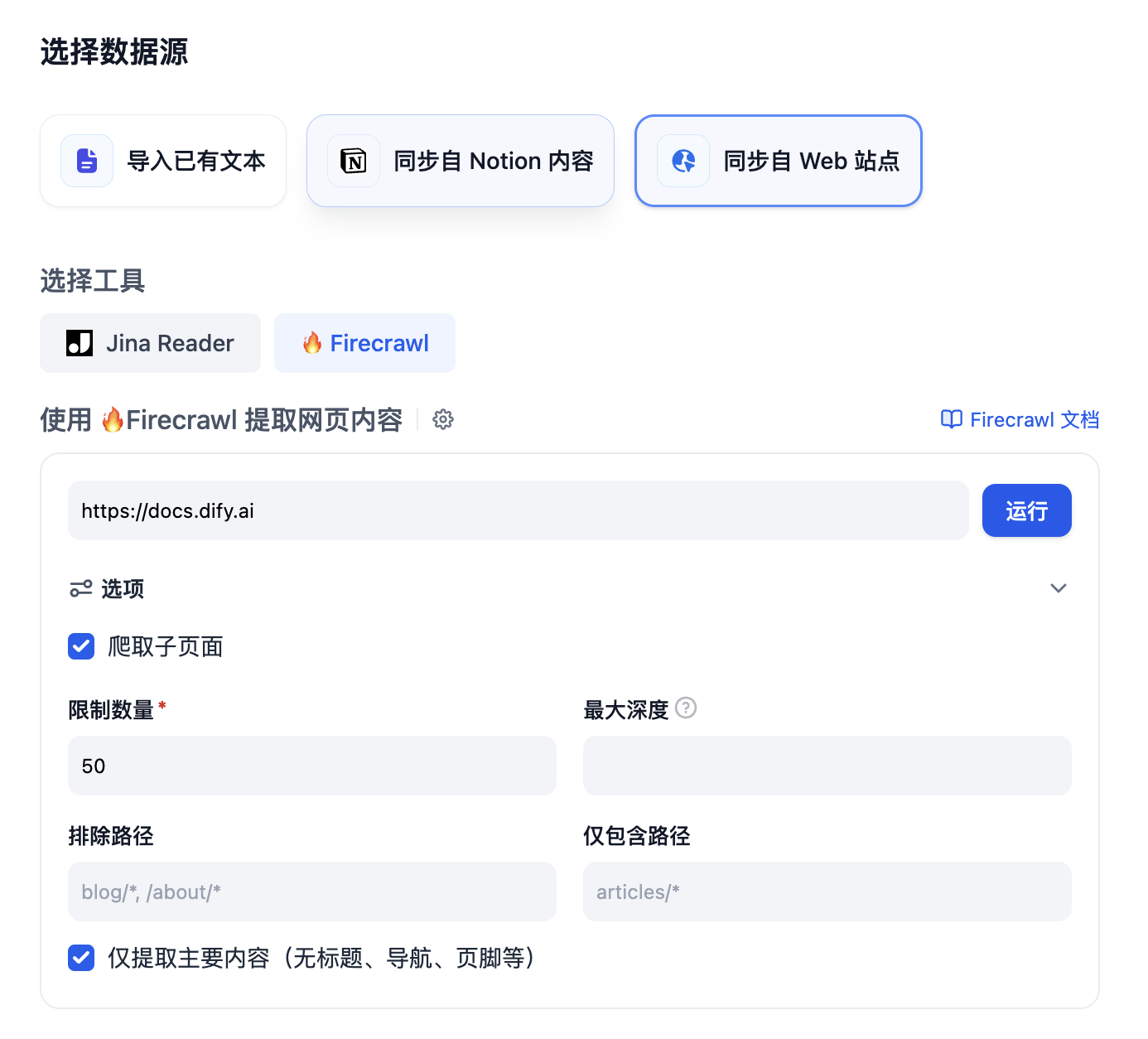
Knowledge Infusion: Drag and drop 3.7GB of product information to the Dify console, and the system automatically completes the cleaning and vectorization of mixed multi-language documents. The platform supports 12 formats including TXT, PDF, Markdown, and even recognizes table structures in scanned documents.
-
Role modeling: In the prompt word orchestration interface, the customer service personality is defined in natural language: "You are the sunshine consultant of the home brand, the answer needs to be combined with the Scandinavian design concepts, and the encountered technical problems are actively transferred to the engineers". The tone of voice adjustment slider can be answered in "professional rigor" and "friendly lively" freely switch between.
Scenario Adaptation: With the "Multi-Round Dialog Memory" function enabled, the AI remembers the user’s house size from the previous dialog; and with the "Security Guard" option checked, sensitive words are filtered out and the answer range is limited. The model selection area is like a car transmission, GPT-4 is suitable for high-end consulting, and the open source model can control the cost.
Third, visible cost reduction and efficiencyA bank credit card center access Dify customer service, found an unexpected revenue curve. The traditional IVR system 40% to manual rate down to 8%, more surprising is the early morning hours of the consultation conversion rate increased by 23% – AI customer service tireless characteristics, just match the young customer base "night owl" consumption habits.
Four, the future has come to the service revolution
When we visited the Dify R&D center in Hangzhou Future Science and Technology City, engineers demonstrated a more cutting-edge "meta customer service" system. By accessing enterprise ERP data, AI can not only answer inventory inquiries, but also predict logistics delays and actively push notifications; combined with voiceprint recognition technology, VIP customers automatically enable exclusive service models when they call.
This quiet revolution is rewriting the rules of business. Measurements by a consulting organization in Shanghai show that medium-sized enterprises that fully deploy AI customer service have seen their annual customer retention costs drop by 34%, while their NPS scores have improved by 19 points. When post 95 consumers prefer to communicate with "won’t get angry" AI, refusing digital transformation may be the biggest business risk.
Standing at the tipping point of intelligent customer service, every business faces a choice: do they continue to hire human teams that will call in sick, or do they cultivate digital employees who are online 24/7? The answer may be hidden in the Dify platform’s eye-catching Slogan: "Let every good idea become an AI application". When the technical threshold disappears, the competition will no longer be code ability, but the speed of insight into customer needs.