
When AI began to give programmers "play auxiliary", the rules of the game of software development completely changed
When GitHub dropped Copilot, a "smart bomb", on developers around the world in the sweltering summer of 2021, OpenAI itself probably didn’t even realize that the code revolution was coming so fast. Three years later, 73% of developers say their programming experience is "like a godsend", but surprisingly, this change is breaking through the boundaries of the code editor – the entire software development lifecycle is experiencing a wonderful transmutation brought about by AI.
I. A Century of Transformation from "Knocking Code" to "Conversational Code"
You’ve probably seen the scene where a programmer types comments in the IDE and the AI automatically generates the full block of code; or when debugging, an intelligent assistant suddenly pops up with a string of bug-fixing suggestions. The GitHub survey data behind this shows that developers using Copilot complete tasks 45% faster, but what’s even more interesting is the real feedback from developers – 88% give time back to creative work.
McKinsey’s research uncovers this paradoxical data: as generative AI takes over repetitive labor, developers are finally able to think about system architecture the way a director thinks about a screenplay. smart chatbots in IDEs aren’t just tools, they’re more like "digital co-workers" with a full-stack knowledgebase, able to create a system that can be used as an interface as soon as you type in "user registration required". interface" the moment you type "need user registration", while generating RESTful APIs, database schema and security recommendations.
II, the software factory of the whole process intelligence revolution
But the real change goes far beyond coding. The DevOps team at an international bank whispered to us that the secret to compressing their release cycles from monthly to weekly was the ability of an AI predictive model to spot potential deployment conflicts 48 hours in advance. This confirms Gartner’s prediction that AI will permeate every capillary of software engineering by 2027.
1. The "Crystal Ball"
of Project Management
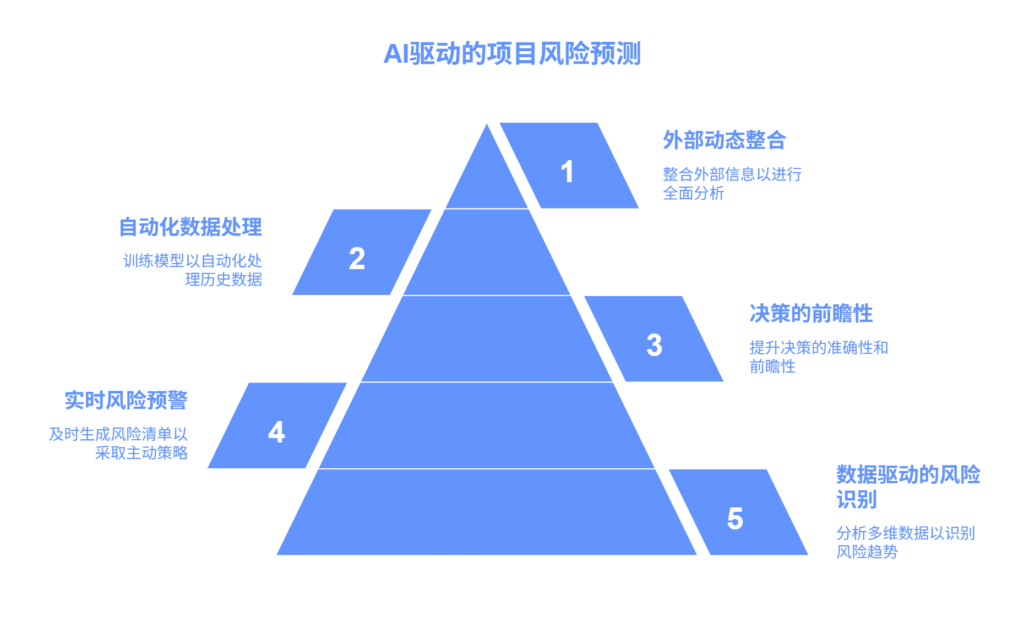
In the In the demand planning stage, AI is transforming into a prophet: by analyzing 100,000+ historical work order data, it can accurately predict the risk factor of a project; prototyping based on natural language generation allows product managers and developers to reduce the error rate of "demand translation" by 60%. Even better, when the marketing department throws in fuzzy "social function" requirements, AI can instantly generate a complete proposal from UML diagrams to technical solutions.
2. "FireEye"
in Testing
The QA team of an e-commerce platform found that test cases generated with AI covered 37% of boundary conditions missed by traditional methods. Even more amazing is the self-healing test – when the automation script fails because of interface changes, the AI can autonomously reconstruct the locator, just like a test engineer with self-learning capabilities.
3. "Prophet System"
for Ops Monitoring
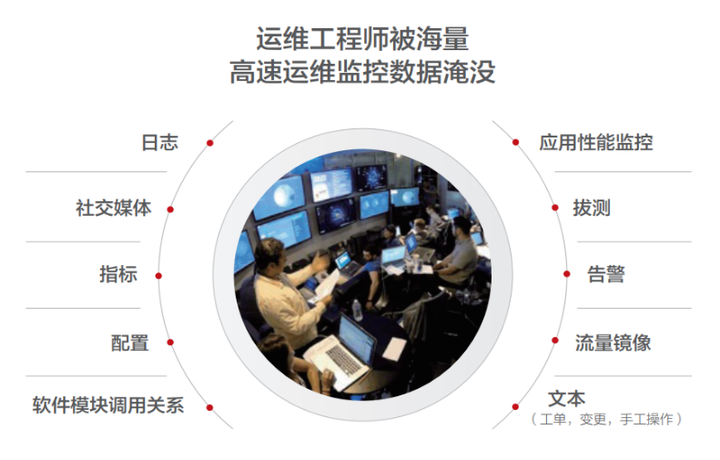
In the Ops backend, AI models are redefining troubleshooting. A cloud computing vendor revealed that their intelligent monitoring system can predict the risk of server cluster crashes six hours in advance, with an accuracy rate of 92%. And when a real failure occurs, AI not only automatically triggers the meltdown mechanism, but also generates a repair program with root cause analysis.
III, the new paradigm dialectic of human-computer collaboration
But cold thinking is needed behind the revelry, and a new study from Thoughtworks warns us that the arguments that claim "AI will replace programmers" may be creating new illusions.
- The speed myth: While individual tasks are accelerated by 55%, software delivery is systems engineering. Just like changing tires faster in an F1 car doesn’t change the strategic layout of the whole race. Actual data from a fintech team proved that AI did speed up coding by 42%, but time consumption in the requirements clarification phase increased by 30% instead.
2. The Quality Mirage: AI-generated code looks neat, but there are hidden dangers. Data from the open source community is alarming: 15% of AI-generated tool functions in a popular codebase have hidden security vulnerabilities, and these "digital imports" are becoming a new source of technical debt.
3. Manpower Reduction Illusion: An experiment at a multinational company proved that equipping novices with AI tools resulted in code quality that was comparable to that of senior engineers; however, when the team size was scaled down by 30%, the rationality index of the system architecture plummeted. This confirms MIT’s findings – AI is more like a "capability amplifier", requiring more senior architects to control the direction.
IV. A developer’s survival guide for a future that’s already here
Standing on the threshold of 2024 and looking back, the GitHub CEO’s prediction is being fulfilled: "The core competency of programmers in the future will shift from writing code to training and harnessing AI. " When low-code platforms can generate complete apps through conversations, the real value creators will be the ones who can validate architectural reasonableness with AI, and use natural language to design complex system processes. "meta-engineers".
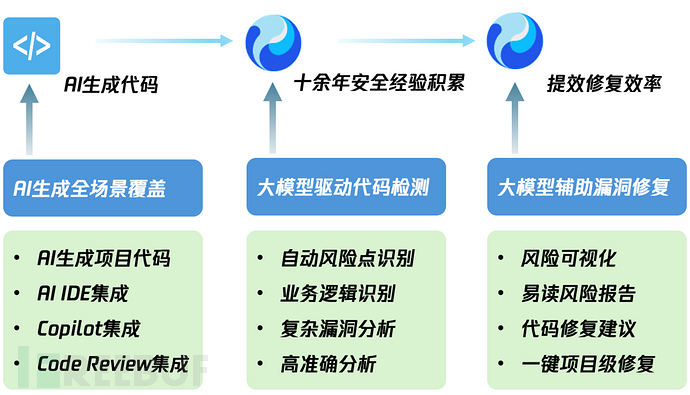
Gartner’s predicted numbers continue to jump: over the next three years, AI will make software delivery 300% more efficient. But the more essential change is that software engineering is making the leap from "physically intensive" to "intellectually intensive". As AI liberates developers from repetitive labor, the "digital strategists" who excel at domain modeling, business abstraction, and technology selection will define the technological frontiers of the next decade.
This may be the best of times: every good idea can be transformed into a digital product at the speed of light; it is also the most challenging: when the wave of technology democratization strikes, only developers who continue to evolve will be able to navigate this silicon-based and carbon-based dance.