

AI customer service revolution: when the machine begins to read hearts and minds, what future will the customer service industry usher in?
Late at night at eleven o’clock, an e-commerce platform backstage is still bustling. "Can this sweater be worn alone in northern winter? "" "When will the scheduled goods be replenished? " " Order number SF1190 logistics card where? " In the digital torrent, a special " employee " is processing 30 pieces of advice per second, the artificial customer service response time from 15 minutes to 3 seconds. This is not a sci-fi scene, but the consumer world that AI customer service is reconstructing.
I. From mechanical response to emotional computing: three leaps in the customer service revolution
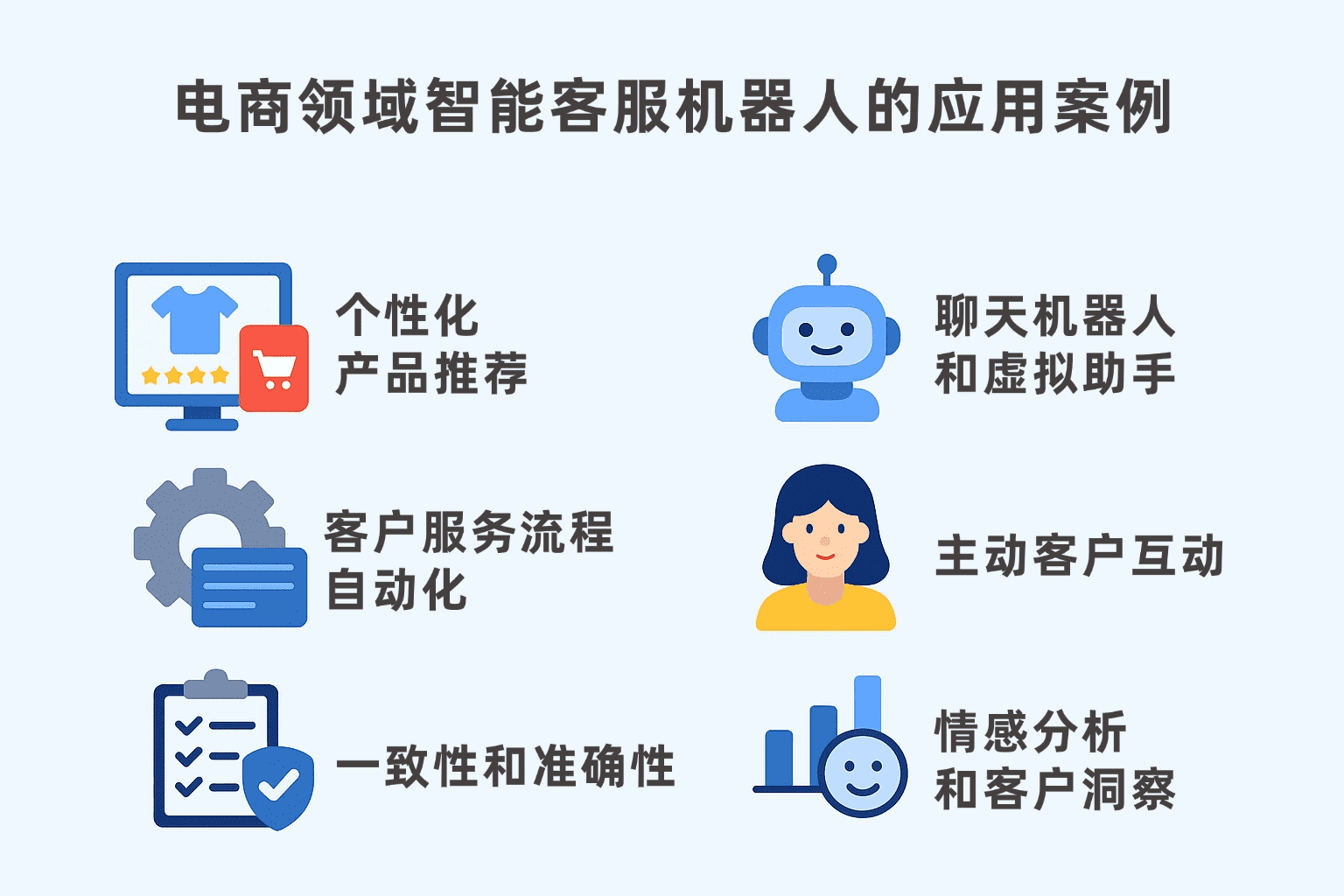
Traditional customer service robots are often criticized for "answering the wrong questions", while the new generation of AI customer service is undergoing a triple evolution. In the AWS cloud, the Amazon Connect Contact Lens system analyzes tens of thousands of calls per minute from around the world, and its emotion recognition accuracy has reached 1.8 times that of human experts. "When a customer says 'That’s great quality clothing', the system can determine whether it’s a compliment or sarcasm in context. " The operations director of an apparel brand told us that they have seen a 37% reduction in return disputes as a result.
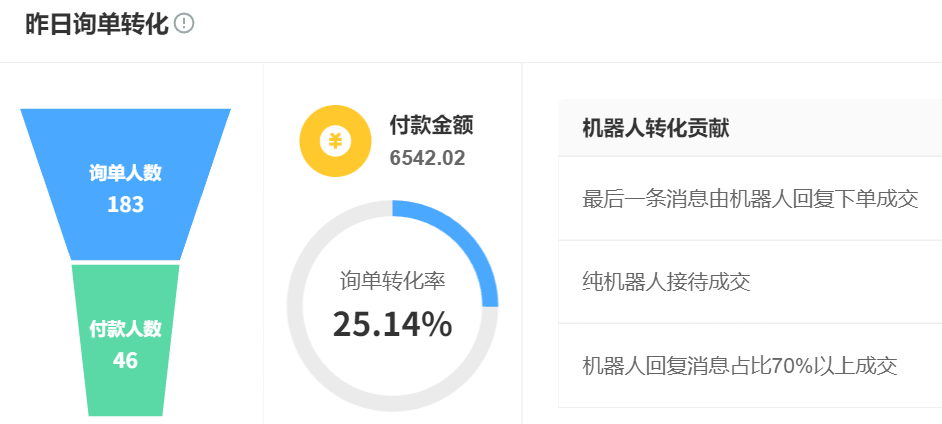
At the level of decision-making ability, AI customer service is no longer a simple rhetoric library. In the after-sales system of a home appliance brand, AI can call up 18 databases such as maintenance records, logistics data, product manuals, etc., and generate solutions independently. During last year’s Double Eleven, the AI customer service of a headline e-commerce company independently completed 86% of the returns and exchanges, and the average processing time was 72% shorter than that of manual labor.
A more subversive change comes from active service. The AI customer service of a beauty brand can generate a personalized offer plan within 5 seconds by analyzing the user’s shopping cart dwell time. Its "smart follow up" function has reduced the abandonment rate by 21%, and the incremental sales created during last year’s Double Eleven were equivalent to the annual production capacity of 30 gold customer services.
II, the business code behind the neural network
Supporting these changes is the underlying revolution in cloud computing. the AWS Bedrock platform reduces the cost of large model training by 60%, enabling even small and medium-sized enterprises (SMEs) to deploy intelligent customer service. In the case of a startup company in Nanjing, they built a customer service system with an industry knowledge base in just three days with the help of generative AI technology, and the dialog fidelity surpassed 80% of competing products on the market.
The evolution of the knowledge base system is equally critical, and the Dify platform demonstrates document processing capabilities that can automatically disassemble a 200-page product manual into 36,000 knowledge nodes. The technical support AI of an automotive brand has increased the troubleshooting accuracy from 68% to 92% precisely through this structured processing.
More imaginative is cross-platform collaboration. A retailer in Hangzhou has deeply integrated AI customer service with its CRM system, and when a user inquires about an order, the AI is able to simultaneously access historical shopping data, preferential rights and benefits pools, membership levels, and other information in 12 dimensions. This "panoramic service" has increased customer satisfaction by 29 percentage points and increased the repurchase rate by 18%.
Third, the humanization paradox: when the machine learns to empathize
Behind the glass walls of an Internet company in Shenzhen, algorithmic engineers are attacking the last bastion of emotion. The empathy model they have trained has been able to recognize 362 micro-emotions and has successfully calmed 89 percent of angry customers in tests. "The AI simulates the sound of deep breaths of airflow and will also say 'I totally understand how you feel'" at the right time,” revealed the project leader, adding that these details have reduced the rate of complaint escalation by 43%.

But In the quest for ethical boundaries, shadows are always present. A bank’s AI customer service has sparked regulatory concern over over-promising, and a healthcare platform has been hit with a class-action lawsuit from users over privacy leaks. These cases remind us: when AI masters the decision-making ability of the 43 billion parameter scale, how to set the "technical brakes" becomes a core proposition about trust.
IV, the future office: a new ecology of man-machine symbiosis
In a shared office space in Shanghai, the human-machine collaboration model is rewriting the rules of the workplace. ai handles standard consulting, humans focus on emotional relief and complex disputes; machines learn from the excellent cases of artificial customer service, and humans optimize the performance of the ai by marking feedback. This synergy has improved the human efficiency of the customer service team by 3.2 times, while the turnover rate has dropped by 55%.

Even more disruptive is capability migration. The AI customer service of a cross-border e-commerce company refined "empathic communication" templates by analyzing 6,000 hours of recordings of gold-medal customer service. The novice training cycle was thus compressed from three months to two weeks, and the trainees’ performance in the first month generally exceeded the average level of veteran employees.
Standing on the threshold of the intelligent revolution, the customer service industry is experiencing a metamorphosis from "cost center" to "value engine". When the machine began to understand the complex spectrum of human emotions, when the algorithm can see the deep logic of consumer behavior, this began to answer the machine change, will eventually reshape the interaction paradigm of the entire business civilization. Perhaps in the not-too-distant future, the best services will be those that do not allow people to feel the presence of technology – like the real warmth of the sun, never have to declare their presence.