
AI Revolution: the future of software development is here, will programmers lose their jobs?
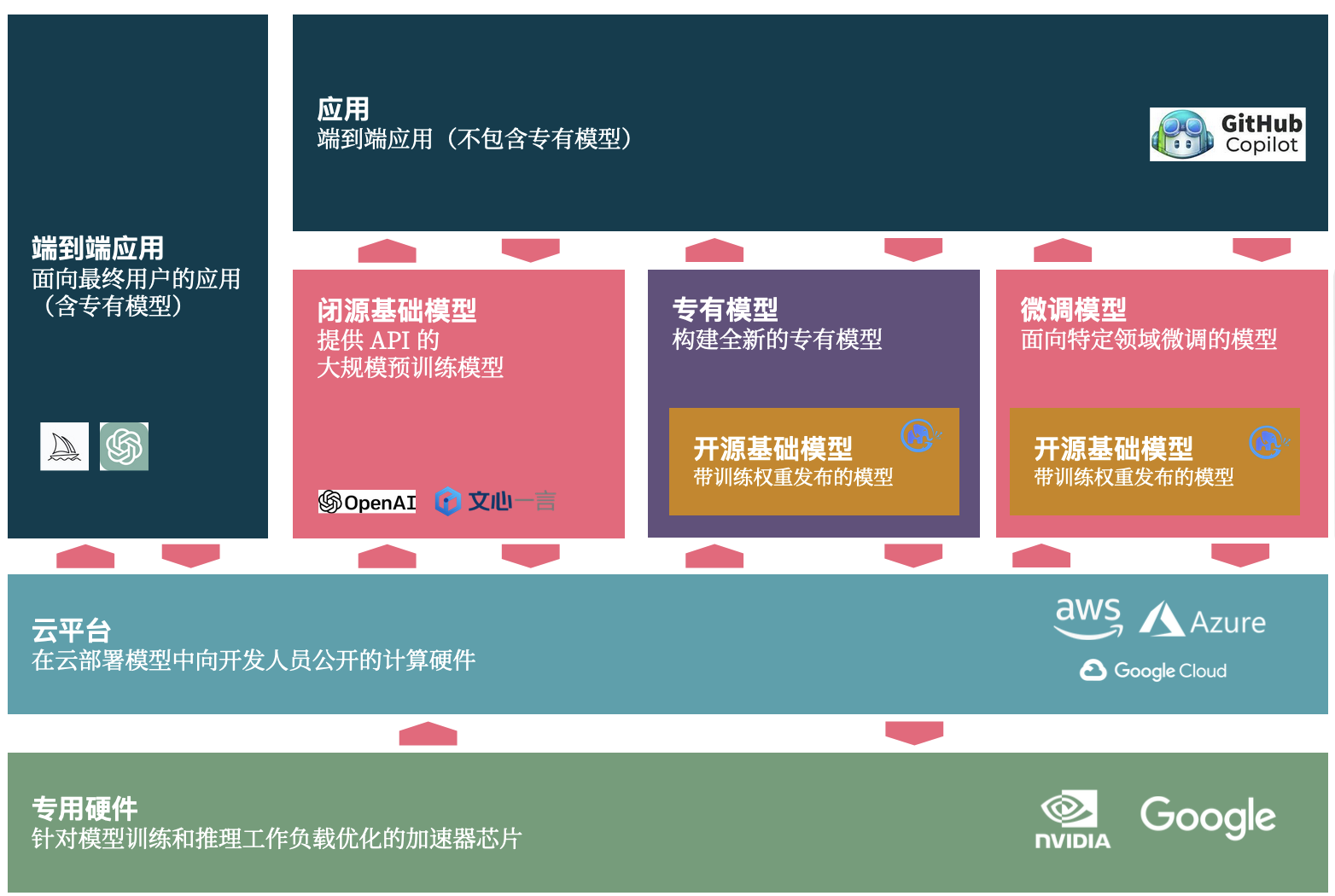
September 2021, GitHub launched Copilot when the developers collective vibration – this AI assistance tool in Visual Studio knocked down the Chinese notes " make a login page ", the screen instantly jumped out of the complete React component code. Today, three years later, every four programmers around the world have three in the use of AI programming tools, this technology fission is deconstructing the traditional order of the software industry for a hundred years.
I. The singularity moment of code automation
Open IBM watsonx Code Assistant’s work interface, a fresh programmer to enter "Create a user registration system", 15 seconds later to generate a complete module containing password encryption, cell phone authentication code.Google Gemini Code Assist in Java projects to analyze the context to be able to Recognize potential concurrency vulnerabilities and automatically insert thread locking code. This deep insight, comparable to that of a veteran engineer, has resulted in a 45% increase in code generation speed while decreasing the defect rate by 62%.
In the multinational bank’s core system transformation site, AI shows even more amazing strength: using natural language to describe the COBOL system’s update needs, AI directly in the premise of retaining the business logic translated into Java code. In the face of Wall Street’s backlog of twenty years of "spaghetti code", AI in three months to complete the original need for 200 people years of code reconstruction.
II, the development process of the whole chain of disruption
An automated test system for an e-commerce platform suddenly generated 36 anomalous test cases at three in the morning. The development team tracked the next day in the production environment and found that this is exactly the hidden scenarios that will lead to payment failures when the daily activity of users skyrocketed. the AI testing tool analyzes the user behavioral mapping, and the coverage of the predetermined scenarios is 87% higher than that of manual testing.
What is more noteworthy is the evolution of the project management system. The AI system of a chip design company accurately predicted possible architectural flaws in the memory management module at the project stage by parsing 600 historical project data. This predictive capability has reduced the project delay rate from 34% straight down to 5%.
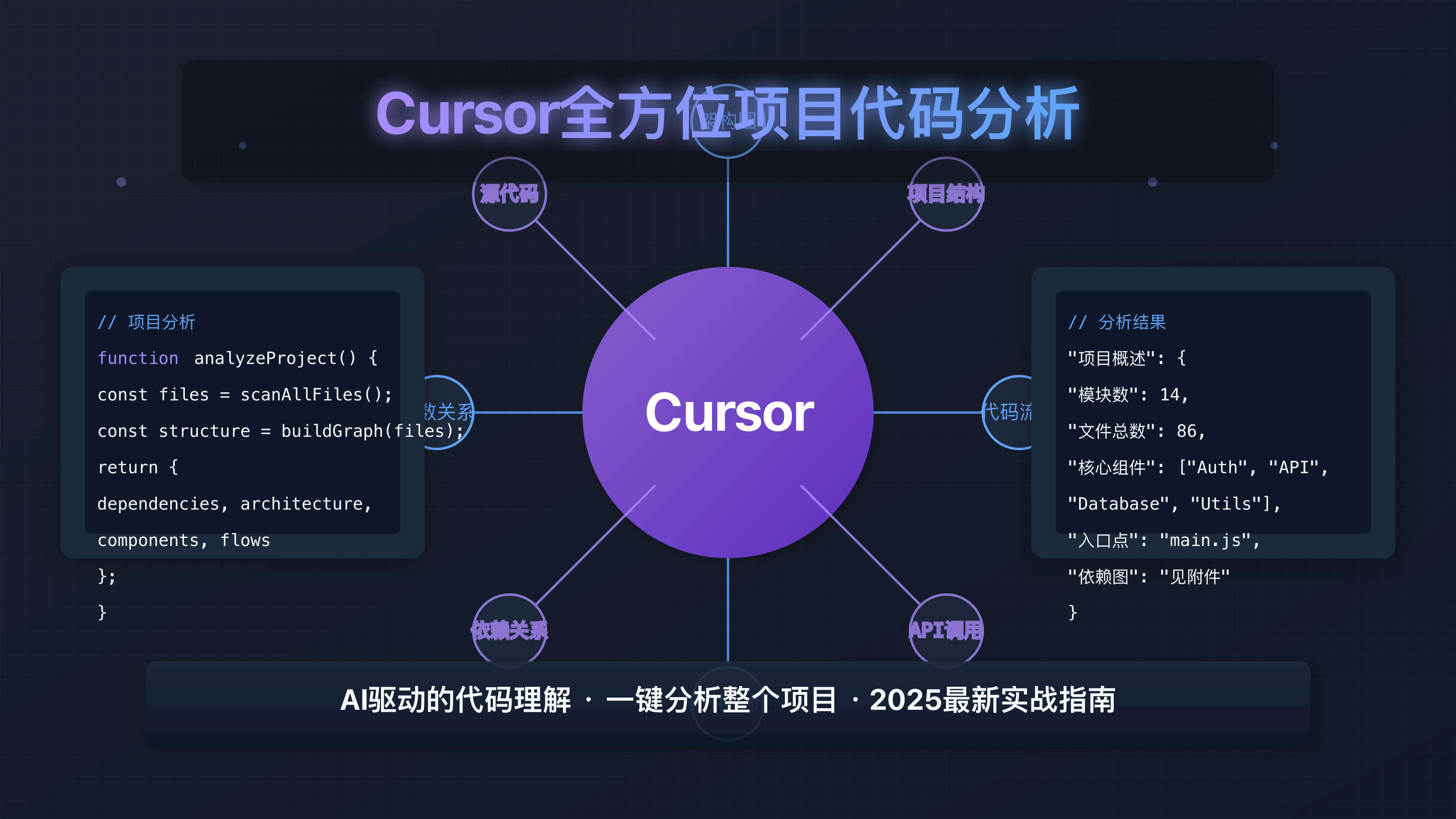
In the DevOps space, the deployment phase of the Intelligent monitoring system tracks code changes in real time, and when a particular microservice update triggered an abnormal CPU utilization, the system automatically triggered a code rollback 12 seconds faster than manual operations – it was these 12 seconds that prevented a 120 million dollar worth of orders from crashing the system.
III, the programmer’s new law of survival
While the participants of an AI training camp in Hangzhou were trying to generate the entire e-commerce system with cue words, the senior architect was guiding the AI to fine-tune it: requesting that the response time of the Java framework be optimized from 50ms to 30ms, adjusting the caching strategy, and reconfiguring the database index. This technological game reveals the truth of the industry – AI turns coding into basic productivity, while architectural design capabilities become a new career moat.
The working model of top teams in Silicon Valley is being rewritten: product managers draw business process diagrams directly for AI, and developers focus on designing domain models and exception handling strategies. In the Microsoft Azure practice, experienced engineers are starting to develop new skills as "AI trainers", guiding models to understand the logic specific to insurance actuarials, or teaching AI to recognize the particular constraints of industrial control systems.
Data from an open-source foundation shows that code contributions to projects using AI assistance have tripled, but proposals for innovation at the architectural level are up 800 percent year-over-year. This shift confirms the industry consensus that the era of repetitive labor is over, and that innovation capacity determines survival.
IV, the double-edged sword of technology democratization
When a county startup team used AI tools to make an industrial APP comparable to the big manufacturers in three months, the era of technological affirmative action has come. The low-code platform with GPT-4 allows even a small company of 10 people to build an intelligent customer service system. But the crisis behind this convenience is equally obvious – the AI-generated financial system code had led to the misjudgment of 3 million dollars of funds of an enterprise, and it was found after the fact that the model had failed to understand the new policy of local tax reform.
The battle between offense and defense in the security field is even more thrilling. In a red and blue confrontation exercise, AI penetration tools 14 seconds to crack the traditional firewall, but fell in the same company’s AI defense system initiated dynamic encryption fog. This technology spiral forces every developer to master the core capabilities of AI security auditing.
V. Thresholds and opportunities of the new industrial revolution
Standing on the technology cliff in 2024 and looking back, traditional methodologies such as agile development and waterfall models are accelerating to wind down.IBM Research’s prediction shows that 75% of basic coding will be done by AI in the next three years, but the demand for system architects will surge by 230%. This change is not the end of the profession, but a redistribution of the value of technology.
While 00’s programmers in a Beijing tech park debug AI-generated quantum computing frameworks, senior engineers in Seattle are training models to understand the fault-tolerance mechanisms of spacecraft control commands. Software development’s leap from a labor-intensive industry to an intellectually intensive one is reconfiguring the coordinate system of every technology practitioner’s capabilities – it’s not programmers who are being eliminated, but developers who can’t master AI.
The real winners in this revolution that is reshaping the world of code will be the engineers who have turned AI into a "third hand". They understand the subtleties of cue word engineering, master the tricks of model fine-tuning, and more importantly, always maintain a deep insight into the nature of the system. When the machine can complete 80% of the code, the remaining 20% of technological innovation is the core battlefield that defines the future.