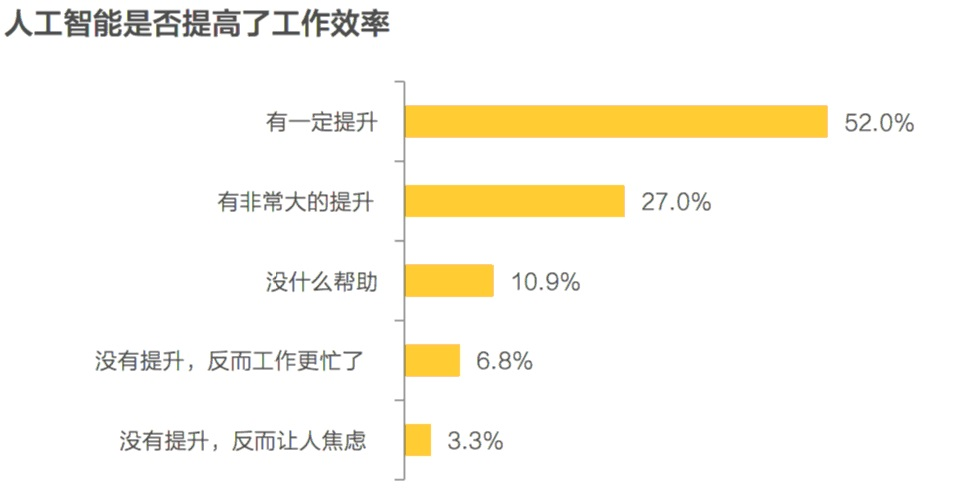

Traditional customer service is disappearing? Three minutes to build exclusive AI staff secret weapon
When the e-commerce platform customer service mechanical response " please wait patiently " when the phone comes to the end of the set voice navigation, do you realize: the traditional customer service by the standardization of the process of bondage, is experiencing a revolutionary metamorphosis in the wave of artificial intelligence. At the moment, the bottom right corner of the website AI customer service Bob is using lively emoji expressions to explain the technical program, its "Digital Brain" stored in 280 pages of product documentation, pockets carrying customer communication records at any time – this is not a science fiction movie, but each enterprise within reach of the intelligent Upgrade program.
The starting point of this silent revolution is often hidden in a cup of coffee.
This tea time, a cross-border e-commerce product director Li Ran completed a milestone: for the official website of the enterprise embedded AI customer service can speak six languages. Outsiders may find it hard to believe that the entire process was nothing more than a hiatus from grinding coffee beans to pulling flowers to completion. The "secret weapon" Dify platform, which is standing quietly in the open-source community GitHub, with a total of 16.8k stars has witnessed the democratization of technology.
The secret lies in three disruptive shifts. The first is the encapsulation of jargon into Lego-like visualization modules, so that users only need to drag and drop combinations like building blocks: set the character’s personality → feed the product manual → choose the response style. The second is the "precise feeding" technology of the knowledge base, which can automatically cut 100 pages of PDF into 327 knowledge segments, just like preparing a nutritious meal for AI that is easy to digest. The most critical breakthrough is zero-code embedding – the action of pasting the generated JS code into the web page label is as simple as inserting a USB flash drive into the computer.
The art of giving AI a human touch
"Hello, it’s 3 a.m., insomniac developer. " In the face of such an opening statement, the AI customer service of a SaaS platform did not respond stereotypically, but responded playfully: "It seems that we are of the same kind, the night owl engineer Li is keeping watch for you" – Behind this anthropomorphic interaction hides a code for the advancement of intelligent customer service.
In Dify’s background configuration, product manager Wang Yue is debugging the "temperature value" parameter. This mysterious knob controls the AI’s creativity, from rigorous technical answers to warm empathetic responses, all of which can be precisely adjusted between 0 and 1. When she sets the parameter to 0.7 and adds the personality value: "Occasionally quote the classic line from Silicon Valley Fire", this AI customer service takes on the romantic quality characteristic of geeks.
The knowledge base cleaning configuration is more like preparing a meal for AI. Choosing "High Quality Mode" is like preparing molecular cuisine, where each piece of knowledge is semantically cut and reorganized; while "Economy Mode" is like a convenient fast-food meal that meets the demand for rapid deployment. Even more interesting is the hybrid feeding mechanism – mixing customer FAQs with technical staff internal chat logs to train and nurture digital employees who can both answer professionally and speak human.
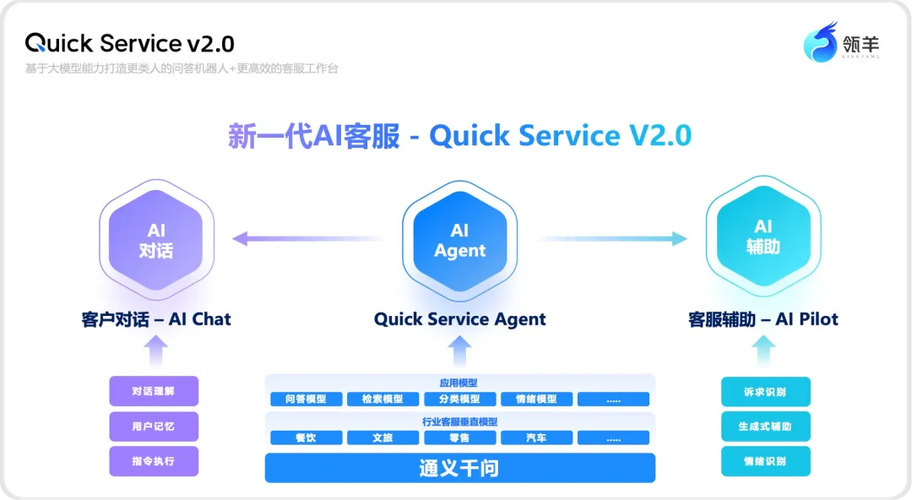
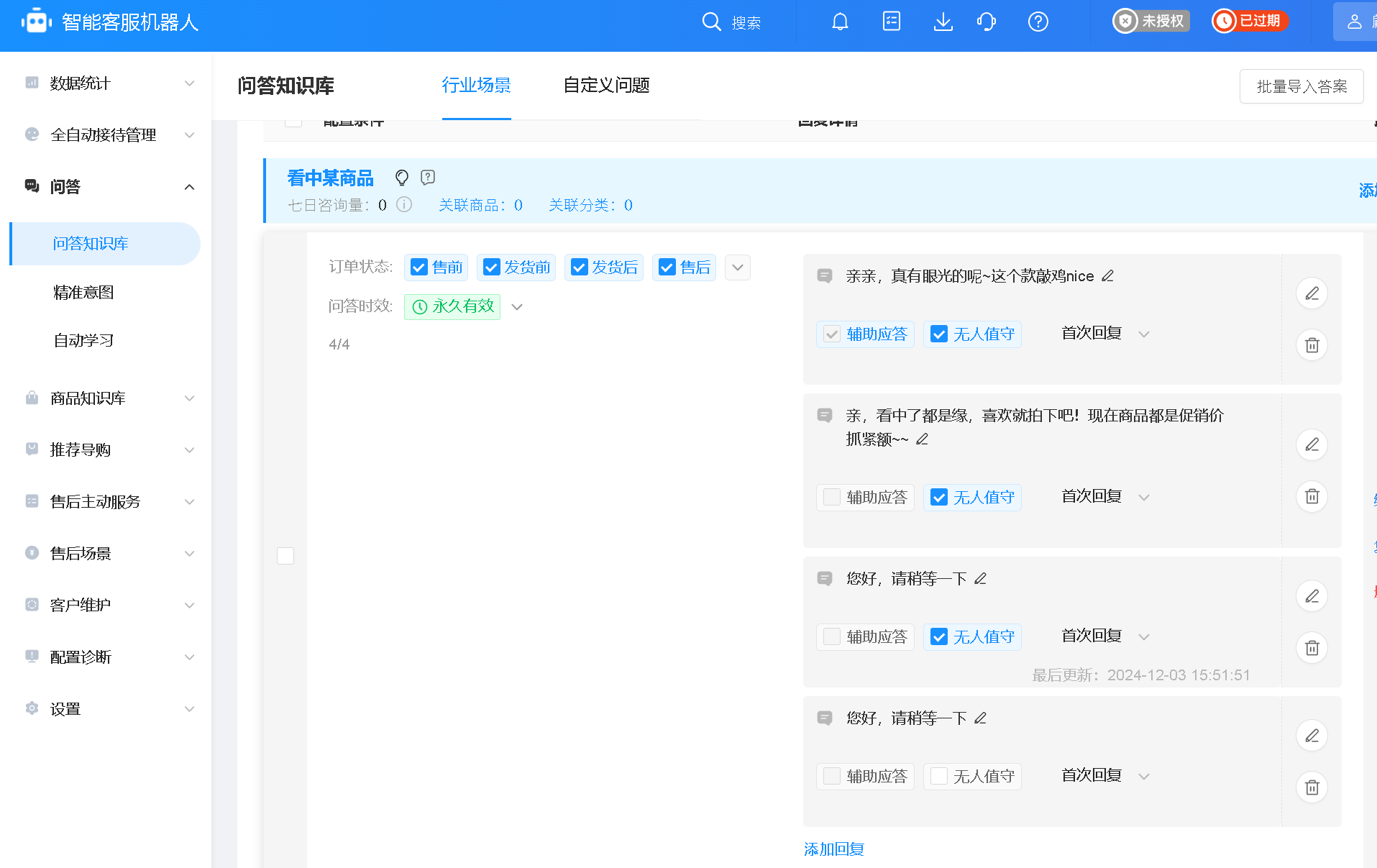
When AI customer service meets the 00s on duty
In the duty room of a cultural and creative enterprise in Hangzhou, intern Yu Xiaoxiao is witnessing a new paradigm of human-machine collaboration. Overseas inquiries pouring in at 2 a.m. are first received by AI customer service and work order documents are generated. In the morning meeting, the supervisor directly accessed the visualization data board: last night’s answer rate of 92%, three complex issues have been labeled "to be followed up by manpower". What is more surprising is the self-iterative function of the knowledge graph – the system automatically recognizes "NFT digital collection packaging" as a new high-frequency word, and has independently expanded the relevant knowledge entries.
This scene reveals the hidden skills of intelligent customer service: a hotspot capture system based on dialog data. Just like a seasoned customer service team leader sharing his experience in the morning meeting, AI proactively marks new trends through semantic analysis and integrates the fragmented inquiries of 97 users into the Q4 User Demand White Paper. The business department was surprised to find that the inspiration for certain product upgrades came from the original words of customers organized by AI.

The Rosetta Stone of Digital Transformation Every Business Needs
When we scan the code to order at Starbucks, we may not realize what kind of technology accumulation is needed behind the self-service. the important value of Dify is to provide a set of digital transformation "Rosetta Stone" for the enterprise – no need to understand the difficult principles of LLM (Large Language Model), also can build intelligent application technology affirmative action. can build technology parity for intelligent applications.
The ecosystem of models supported by the platform is like an AI supermarket, ranging from GPT-3.5, which is cost-effective, to GPT-4, which pursues the ultimate, and enterprises can freely mix and match according to their budgets and scenarios. The technical person in charge of a cross-border e-commerce company revealed a detail: first use fast and cheap models to handle 90% of routine inquiries, and then automatically switch to higher-order models when encountering complex problems – this "laddering resource allocation" reduces the annual cost of intelligent customer service by 67%.
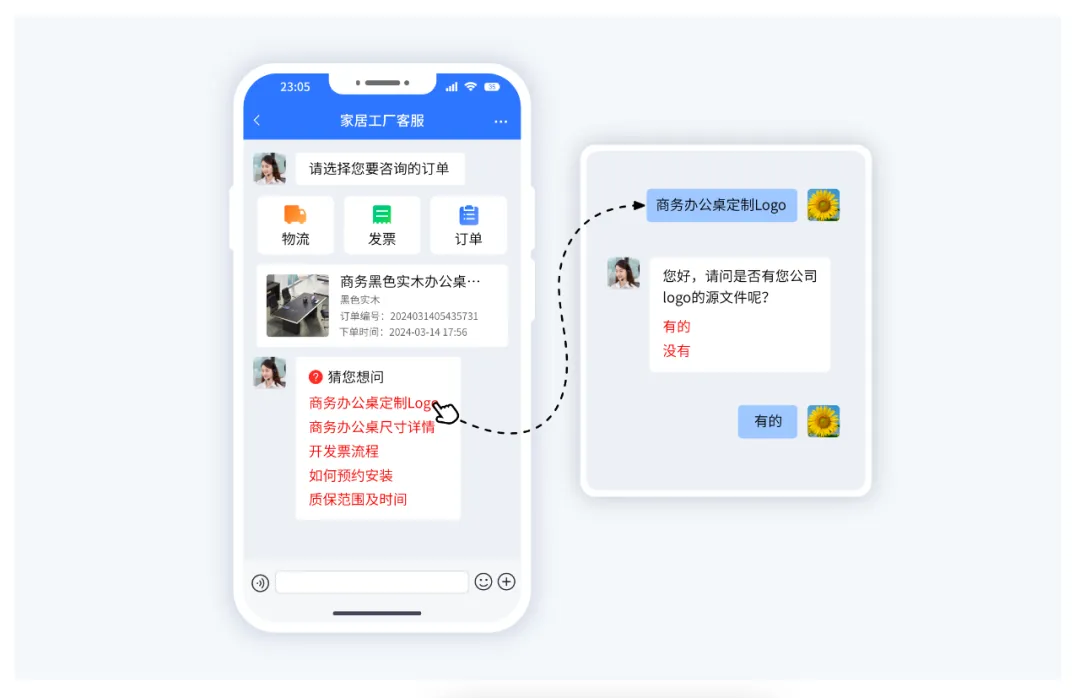
This evolution, which started in the customer service scenario, is spreading to more areas. Some enterprises have transformed the same system into an internal inquiry AI, and the number of human inquiries to answer the reimbursement process has dropped by 80%; some publishers use it to create a 24/7 copyright advisor, and even the legal department marvels at the accuracy of its interpretation of contract terms. When AI employees Bob’s colleagues began to penetrate the human resources, legal, administrative and other positions, perhaps we are witnessing a paradigm shift in the organizational structure of the enterprise.
The deeper significance of this change may be like the steam engine during the Industrial Revolution – initially just a water pumping device in a coal mine, it eventually changed the production model of the whole society. When the AI customer service window lights up in the lower right corner of the enterprise’s official website, that blinking cursor is a metaphor for the infinite possibilities of digital transformation.