
Programmers late-night collective cheer: ai is pushing software engineering to the ‘high-speed rail era’
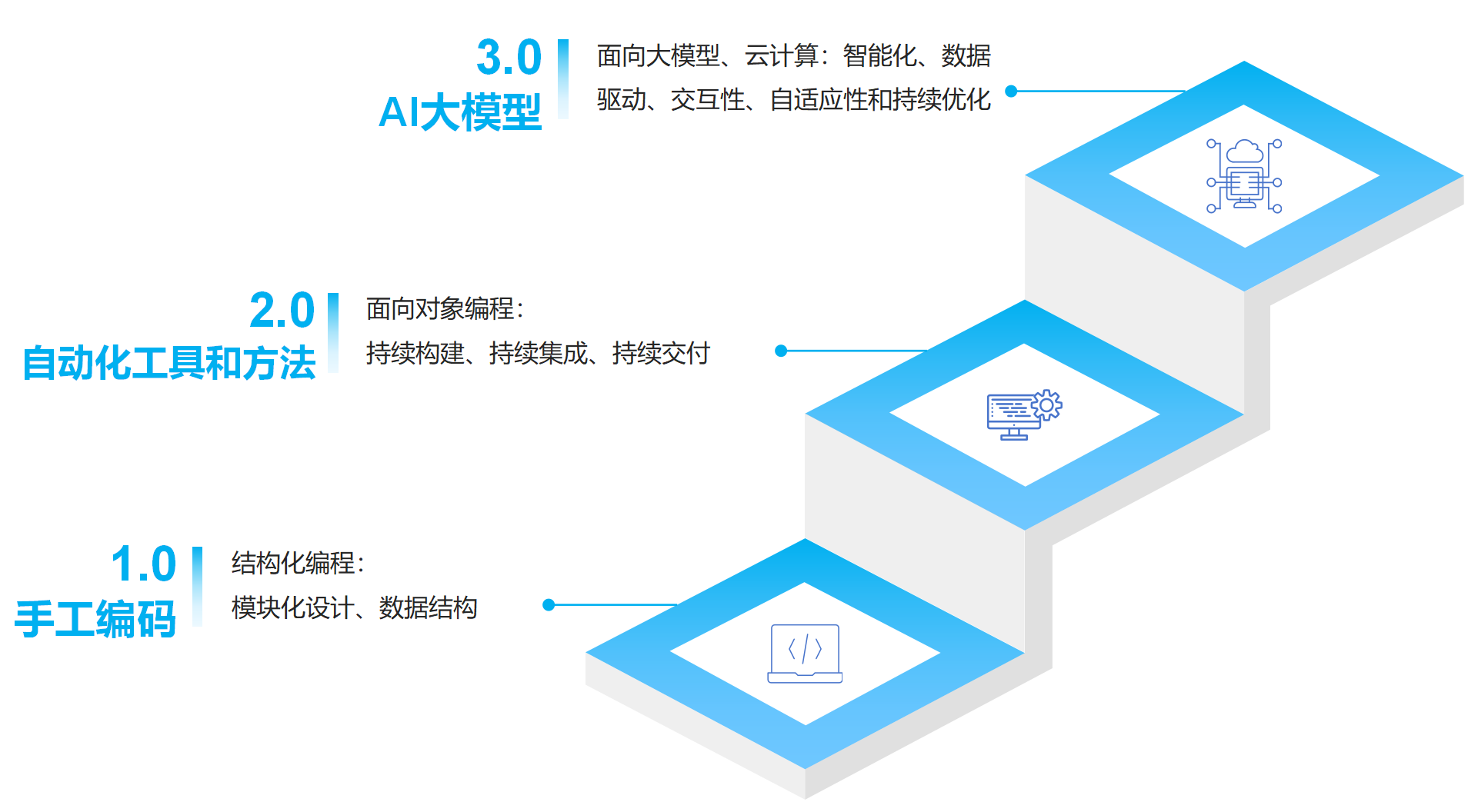
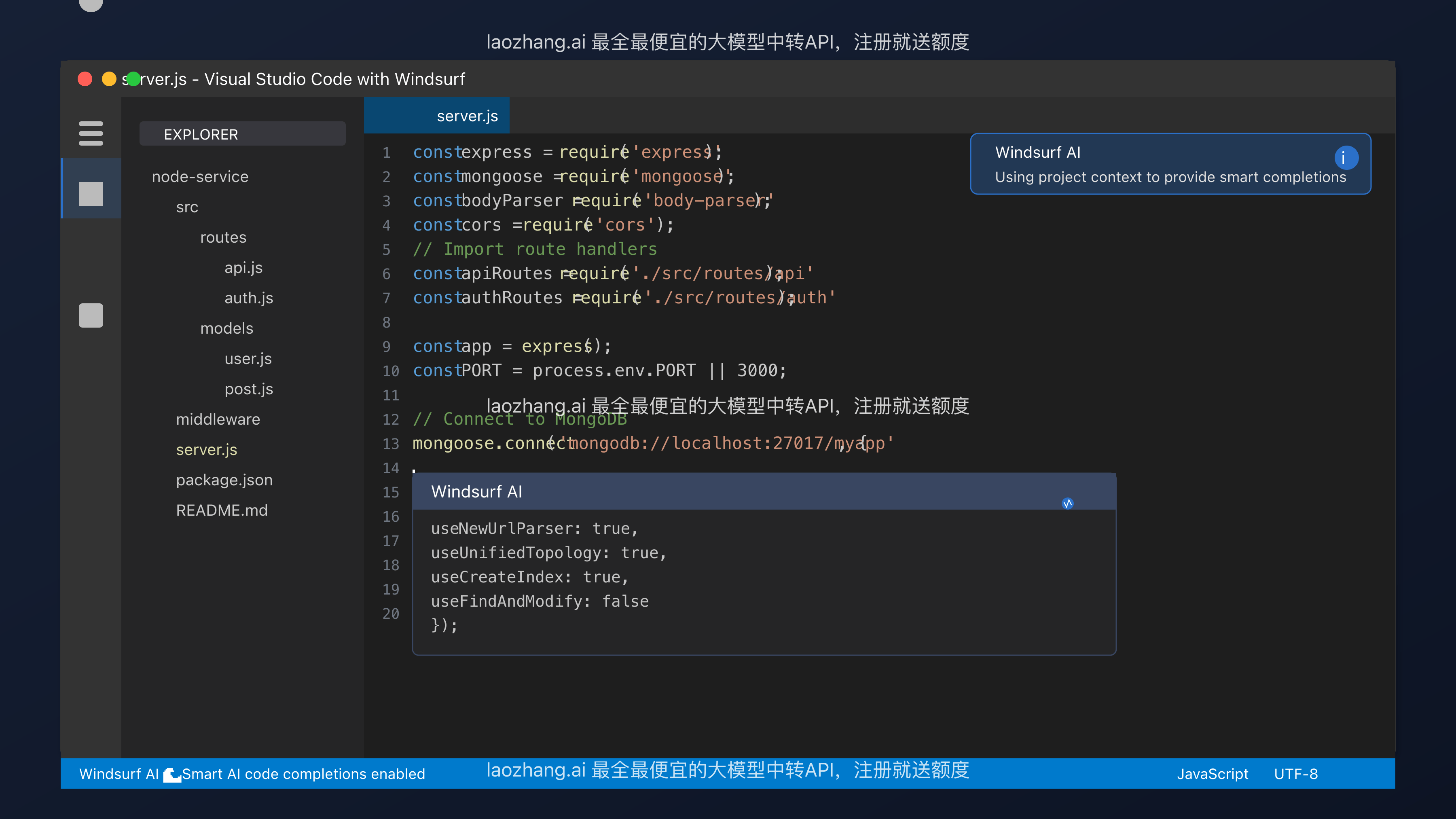
That summer of 2021, the introduction of GitHub Copilot was like dropping a deep bomb in the programmer community. This AI assistant, capable of auto-completing code, gave developers their first real sense that machines were understanding human programming thinking.
Today, three years later, a set of data reveals the shocking truth: developers using AI tools complete tasks 45% faster, 88% of programming project delivery speed, more shocking is that 74% of engineers in the work of finding a long-lost “heart flow experience”. This AI revolution, which started with code completion, is reconfiguring the entire software engineering system with unprecedented intensity.
I. The triple evolution of coding assistants
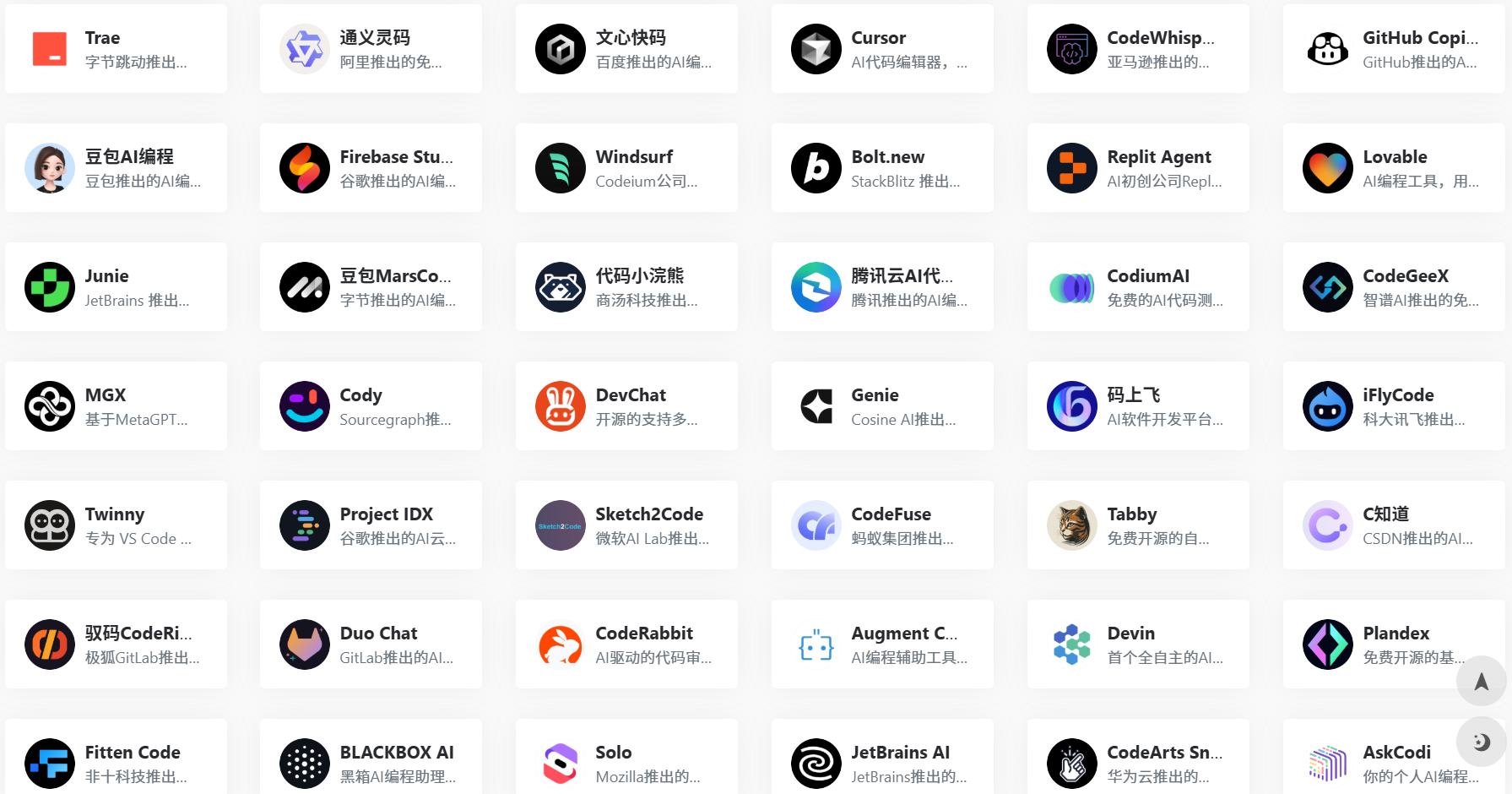
The traditional perception of AI coding assistants is nothing more than ‘advanced keyboards’ that improve typing efficiency. But when McKinsey’s research team dug deeper, they found three key directions of evolution:
1. Knowledge Navigator: The AI assistant in a modern IDE has become a walking encyclopedia of programming. It parses context in real-time, automatically correlating technical documentation, historical examples, and even team specifications. Developers no longer need to cut out of the interface to access information, and can get precise answers the moment a question arises.
2. Quality Gatekeeper: A fintech team tested and found that the AI tool can instantly intercept 80% of the syntax errors in programming, and identify more than 50% of the logic loopholes in advance. What’s more, it’s like a stubborn code reviewer, strictly enforcing the team’s naming conventions, security guidelines, and other ‘programming constitutions’.
3. Creative Catalyst: When AI takes over 58% of repetitive coding tasks, developers are able to focus on creative work such as architectural design, and GitHub reports reveal that complex tasks that take more than two hours to complete are completed a staggering 2.3 times more often with AI collaboration.
II. Legions of AI that break through code boundaries
The real frontier battlefield has long exceeded the scope of the development process. The world’s top software teams are building AI protection networks that cover the entire life cycle:
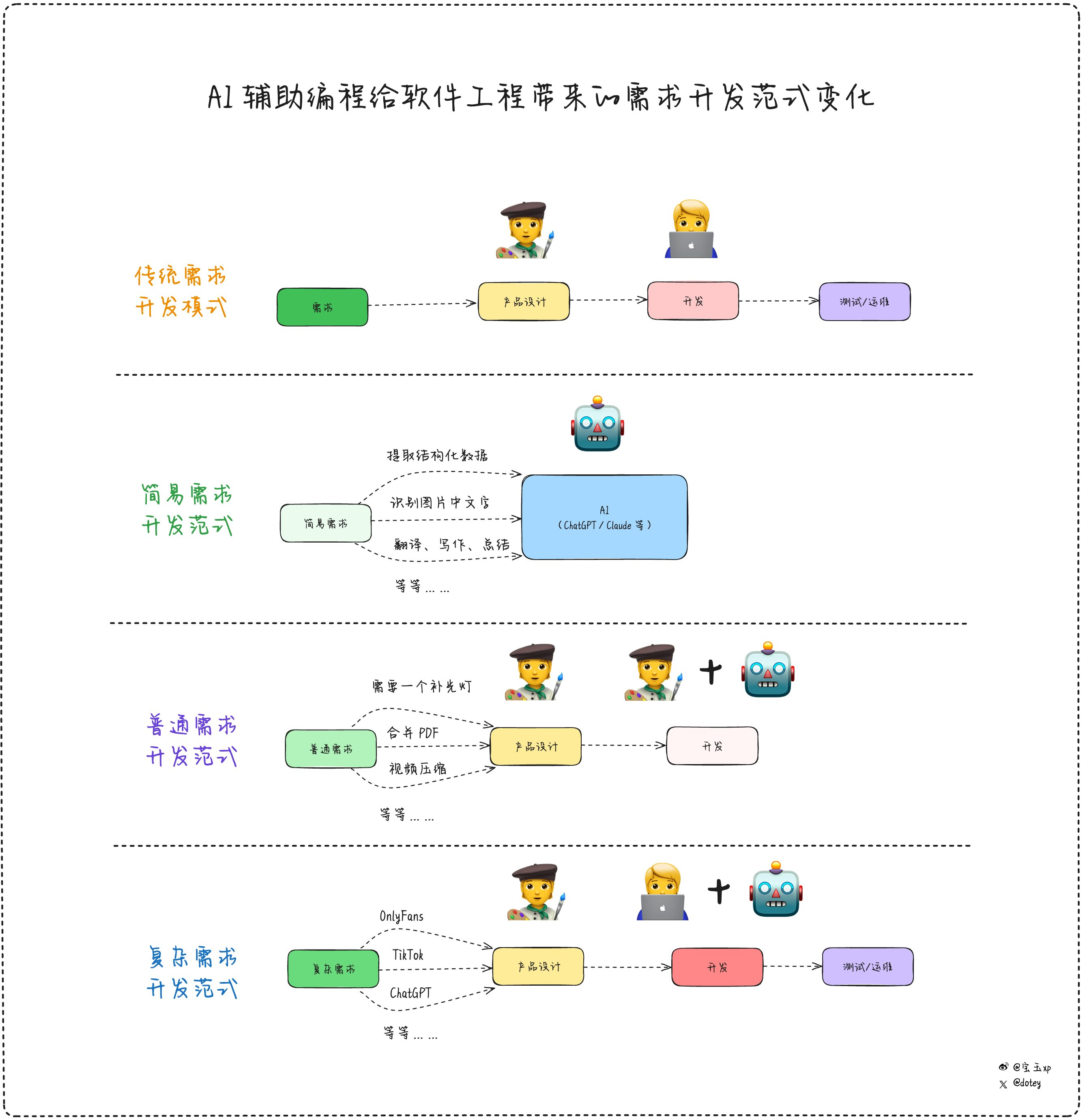
Demand Storm Eye: In the project initiation phase, AI automatically generates a complete product demand tree by analyzing historical data and user feedback. The experience of an e-commerce platform shows that AI can increase the efficiency of requirements collection by 70% while reducing requirements bias by 50%.
Testing black technology: After an automotive software team enabled the AI testing system, the manual testing that originally took 3 weeks was shortened to 72 hours. AI not only automatically generates test cases, but also simulates concurrent scenarios of ten million users, exposing boundary problems that manual testing can never find.
Deployment Commander: In the CI/CD pipeline, AI algorithms monitor code submissions in real time and automatically match the optimal deployment strategy. Real-world data from a cloud service provider shows that AI reduces the deployment failure rate from 15% to 0.7% and shortens the average release time by 60%.
III.
When Gartner predicts that half of all engineers will rely on AI tools by 2027, it’s even more important to understand the deeper changes behind the scenes:
Knowledge Forever Program: AI is building ‘organizational memory banks’ that never forget. The experience of every code review and every failure review is transformed into a retrievable knowledge node. This revolutionizes the traditional team’s predicament of “people leaving and skills being lost” and increases the speed of newcomers getting started by up to three times.
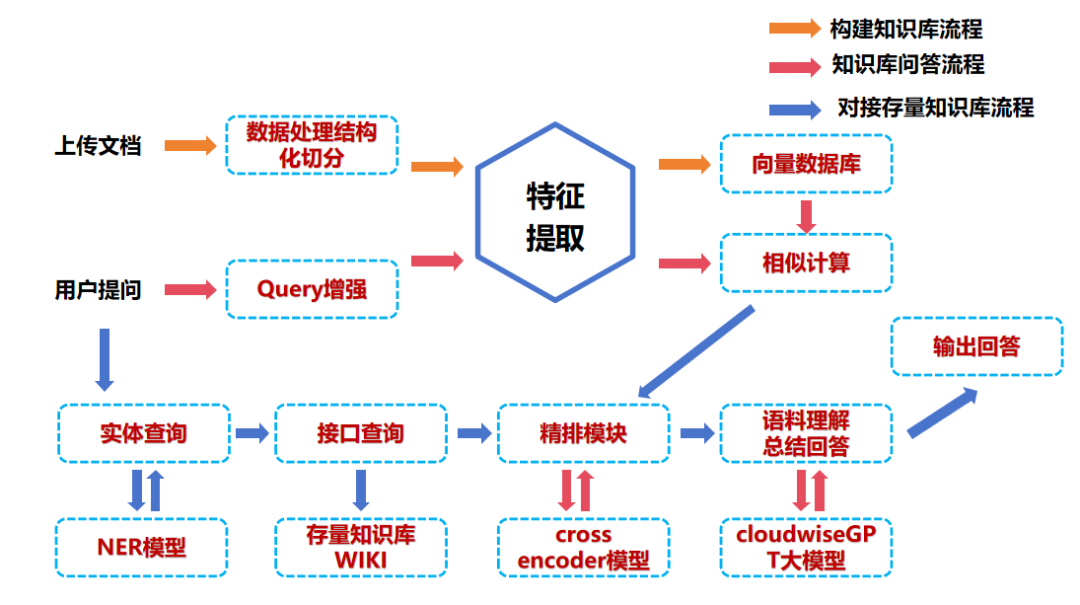
Risk Early Warning Revolution: By analyzing 36 data sources such as Git commit records, defect databases, etc., AI is able to predict more than 90% of project risks two weeks in advance. The head of a bank’s technology department exclaimed, “AI systems are now like architects who can divine, always able to see in advance the reefs we ignore.”
Value Acceleration Formula: When AI runs through the entire process of demand-development-testing-operation and maintenance, the speed of software delivery sees an exponential increase. Typical cases show that the iteration cycle of a financial system has been compressed from quarterly to weekly levels, and new features can be launched to generate real business value.
Standing at the turning point of 2024, global tech giants have formed a consensus: AI is not a “replacement” for programmers, but an “enhanced plug-in” for software engineering. The era that required manual line-by-line debugging is far away, replaced by a new production relationship of human-machine collaboration. When the three major challenges of code quality, delivery speed, and knowledge inheritance are broken by AI one by one, the software industry is embracing the most exciting wave of evolution since Agile development.
At this moment, every late-night programmer is worth looking forward to: in the not-too-distant future, the “software crisis” that has plagued the industry for decades may really become a historical term under the empowerment of AI. This technological revolution, which began with code completion, will eventually lead the entire software engineering into the fast lane of the “high-speed rail era”.