
When AI learns to manage human knowledge: the real starting point of the fourth productivity revolution
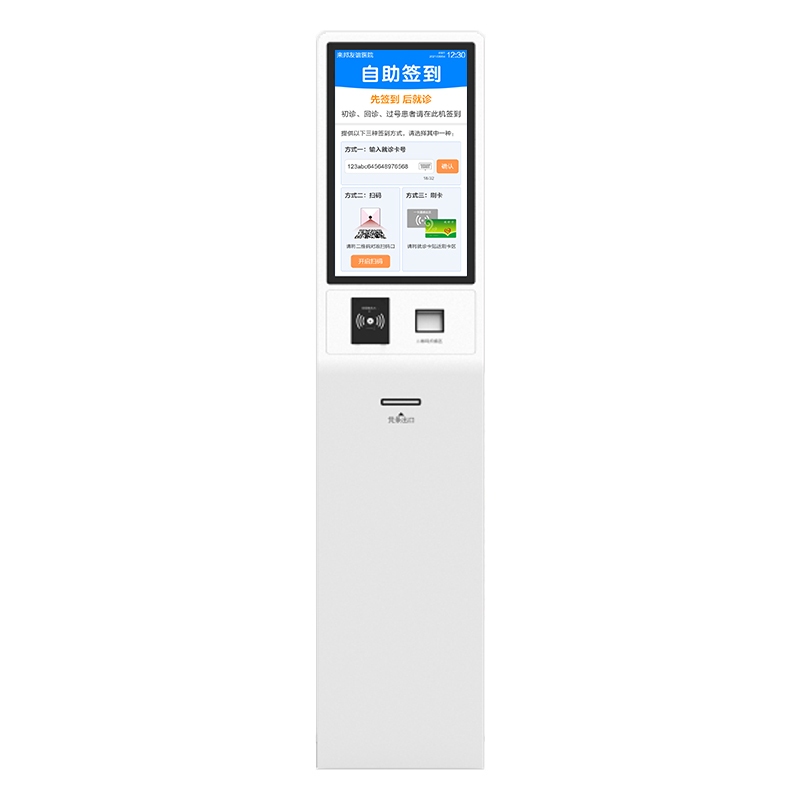
In the corridor of a tertiary hospital in South China, twenty-two self-service terminals collectively "strike" the eighth hour, the director of the operations department finally received a phone call from the development team: "Sorry, we need to re-adjust the parameters of the model, it may take three days". This slightly absurd scene is reflecting the most acute pain points in the process of digital transformation of all enterprises at the moment – when the technological divide makes 85% of small and medium-sized enterprises deterred, the 200,000 overnight migration to the FastGPT platform users, what kind of key to the times actually found?
I. Knowledge management is taking place in the triple evolution
In a cross-border e-commerce headquarters in Shenzhen’s Nanshan District, customer service supervisor Zhang Ming found that the AI robot finally no longer put "Aluminum oxide ceramic parts" identified as "Raise the cat ceramic bowl". Behind this qualitative change is the new paradigm of knowledge management pioneered by FastGPT:
1. Leapfrog Upgrade of Structured Thinking
Through the innovative QA dual-indexing structure, the system establishes a bi-directional semantic bridge between the user’s question and the corresponding answer. When a customer inquires about "Lithium Battery Transportation Precautions", they can both directly match the standard answer in the question bank and accurately locate the relevant passage in the unstructured document of the Dangerous Goods Transportation Manual. This hybrid search model boosts response accuracy to 97.3%, far exceeding the industry average.
2. Full-dimensional Evolution of Knowledge Digestion System
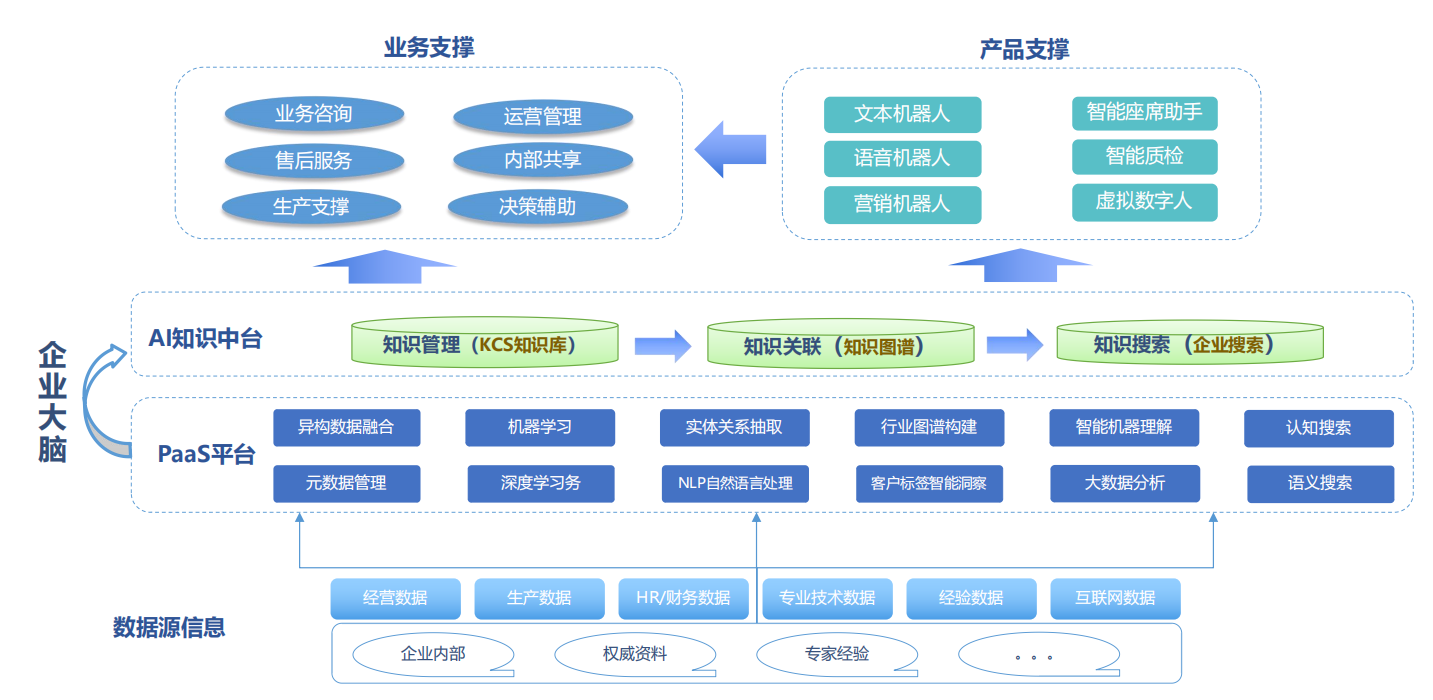
The SaaS system demonstrates amazing adaptability when processing 3.6TB of technical documents from a car company: it automatically parses PDF process drawings, strips parameters from Excel tables, captures webpage update logs, and even converts 356 pages of maintenance manuals into 3824 structured knowledge units through LLM intelligent splitters. into 3,824 structured knowledge units. The knowledge base construction cycle, which originally took 28 person-months, was compressed into 72 hours.
.
The case of Shanghai Industrial Design Institute is perhaps the most illustrative: after they imported drawing documents scattered in 382 folders into FastGPT, the system automatically generated a visual 3D design specification knowledge graph, which enabled engineers to increase their retrieval efficiency by 15 times.
1. Zero-code Enabled Knowledge Infrastructure
The visual workflow orchestrator allows companies to bypass the technical deep-water zone: when a provincial power grid needs to build a knowledge base of electric power equipment, ordinary business people can realize the intelligent link construction of equipment ledger query→fault case matching→emergency solution push by dragging and dropping modules.
2. Self-Iteration of Knowledge Evolution
In an intellectual property agency, the system regularly searches 16 official databases, such as USPTO, to automatically update 1.5 million+ patent data. The dynamic knowledge maintenance feature reduces the average annual maintenance cost by 73% while keeping the knowledge 98.55% fresh.
Third, reconfigure the industrial logic of the ai middle stage revolution
The story of a pharmacy chain in Guangzhou is subverting the traditional customer service cognition: when they will be 3800 kinds of drug manuals, 72,000 drug interaction data imported into FastGPT, AI customer service is not only answering the correct rate of response to achieve the level of the pharmacist of the three hospitals, but also pioneering the completion of the closed-loop service of the management of the health file ¡ú medicine reminder ¡ú repeat diagnosis warning.
1. Value fission of knowledge flow
Through the API matrix, the system has realized gene-level integration with 160+ mainstream commercial platforms. After an MCN organization in Hangzhou bound the course system to WeChat public number in depth, it even created "intelligent tutors" that updated 828 knowledge points in real time, and the conversion rate of carry-over thus soared by 428%.
2. Quantum Leap in Decision Making Intelligence
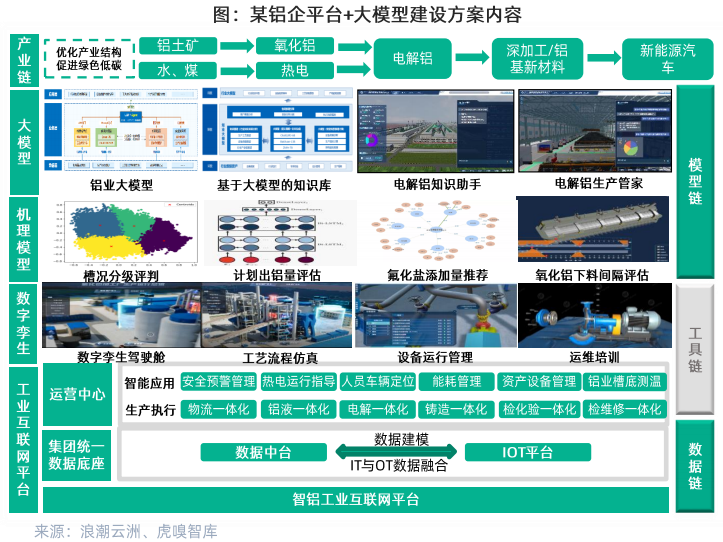
In an intelligent manufacturing base in East China, the system processes 120,000 pieces of production data and generates knowledge strategies every day. When there is an abnormal fluctuation of 0.03% in the equipment warning threshold, the combat command screen automatically jumps to 289 relevant technical documents – which is precisely the decision-making paradigm most expected by the Fourth Industrial Revolution.
Standing on the watershed of 2024, we are witnessing not only the rise of a particular technological product, but a silent revolution that is reshaping the way human knowledge is inherited. While 200,000 pioneers are reconstructing the knowledge gene chain with vector databases and weaving intelligent neural networks with workflow orchestrators, the time left for the watchers may be more pressing than imagined. After all, in the digital epoch of exponential evolution, the generation difference of knowledge management will no longer be a technical moat, but the basic language system for enterprises to talk to the times.